Process technology

Process technology

We create connections. We create connections. The optimum solution for your selective soldering automation.

EUTECT modular connection technology

It is the task that determines the choice of the optimum process, automation and software module.

Based on evaluations in which all solder joint properties are assessed and, if possible, optimised, we find the most suitable soldering process for your task, taking into account cost-effectiveness, efficiency and the conditions and requirements in production.

The EUTECT modular system shows that individual modules or free combinations can often be used to achieve a lean, customised solution from tried-and-tested components for the task of a customer product, ensuring maximum flexibility and precision in component soldering.

Soldering processes

Matrixduese

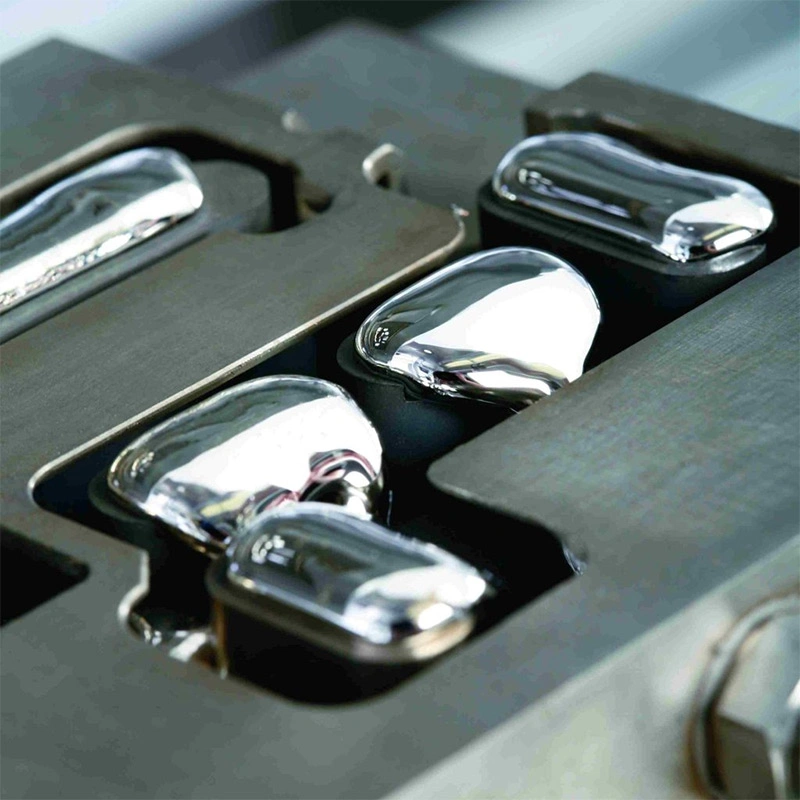
Mini wave soldering

Decorative picture

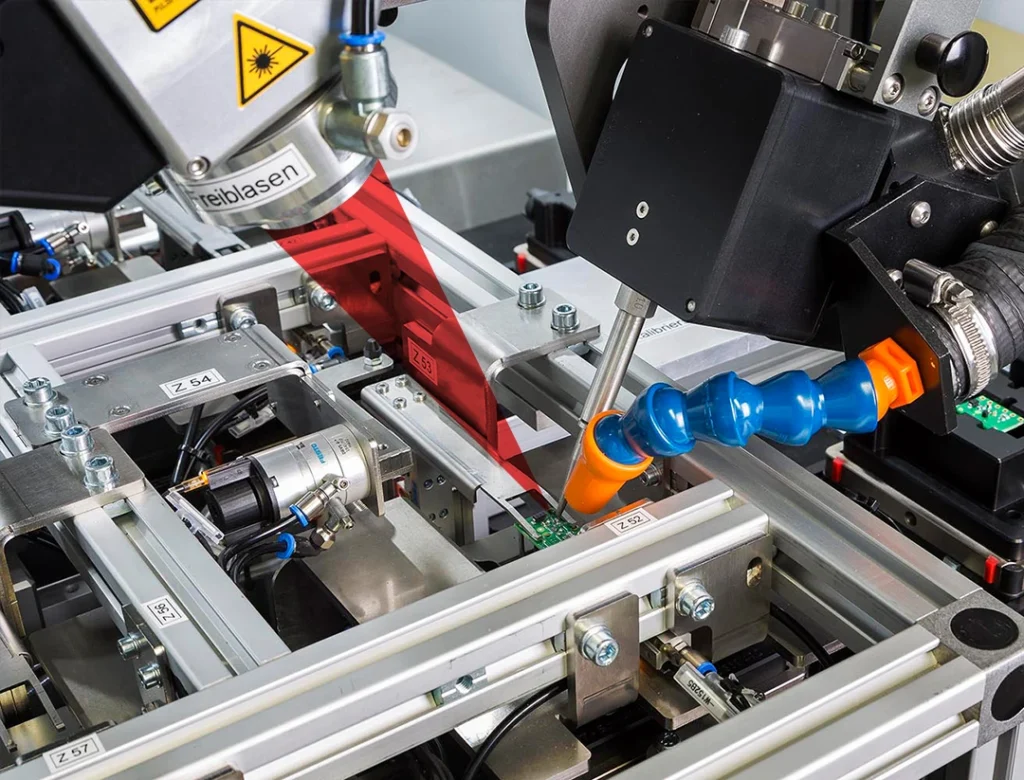
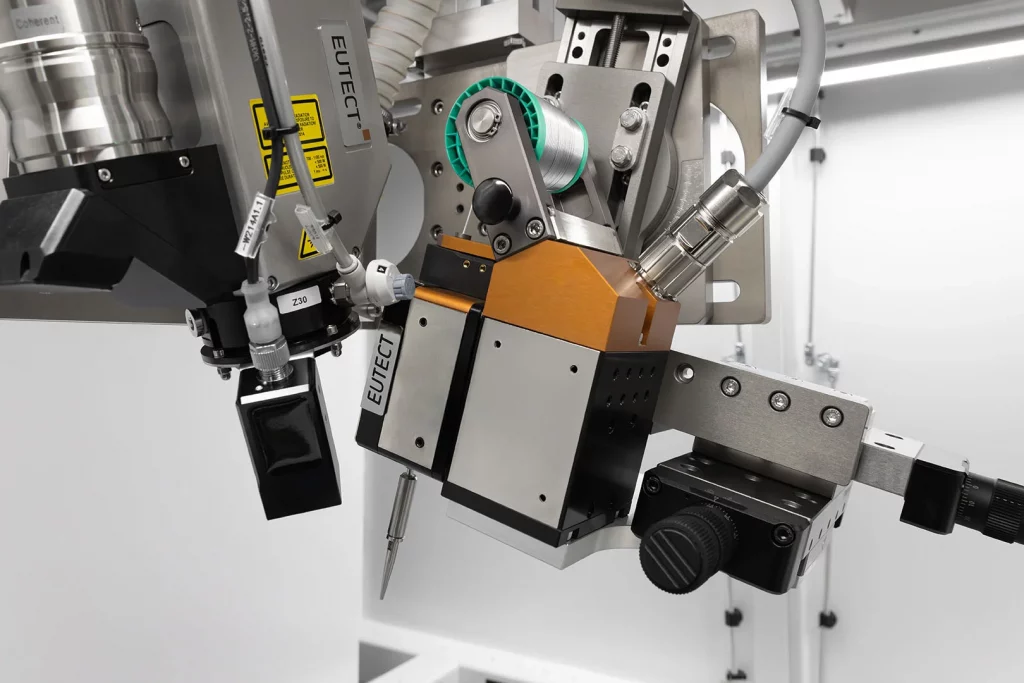
Laser soldering

Warming

Induction soldering

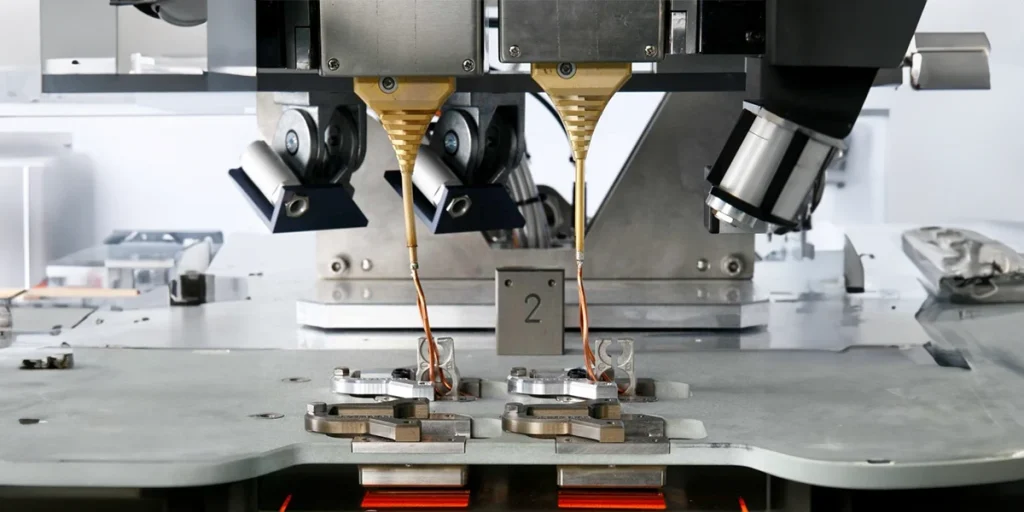
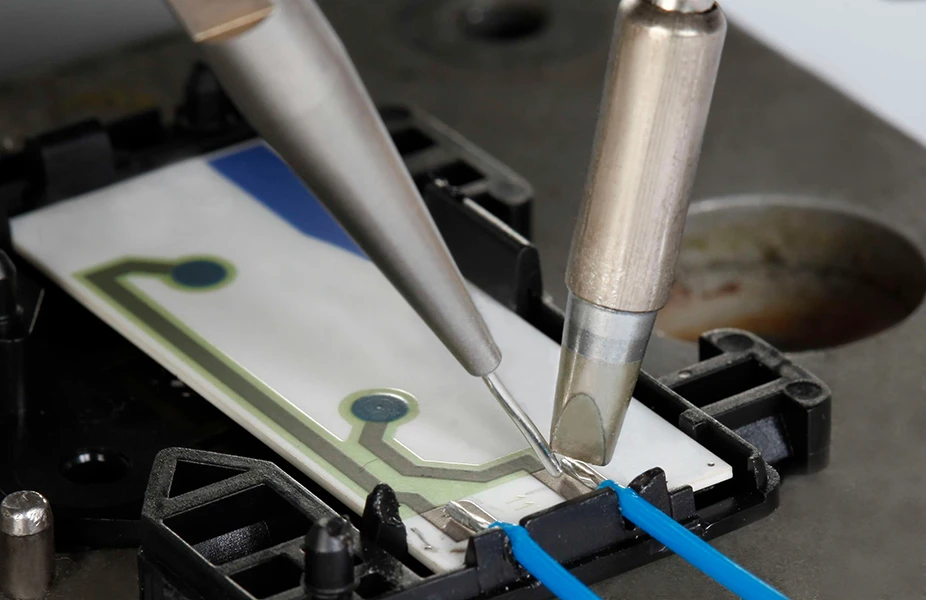
Soldering a cable using piston soldering

Piston soldering

TL-XS-800

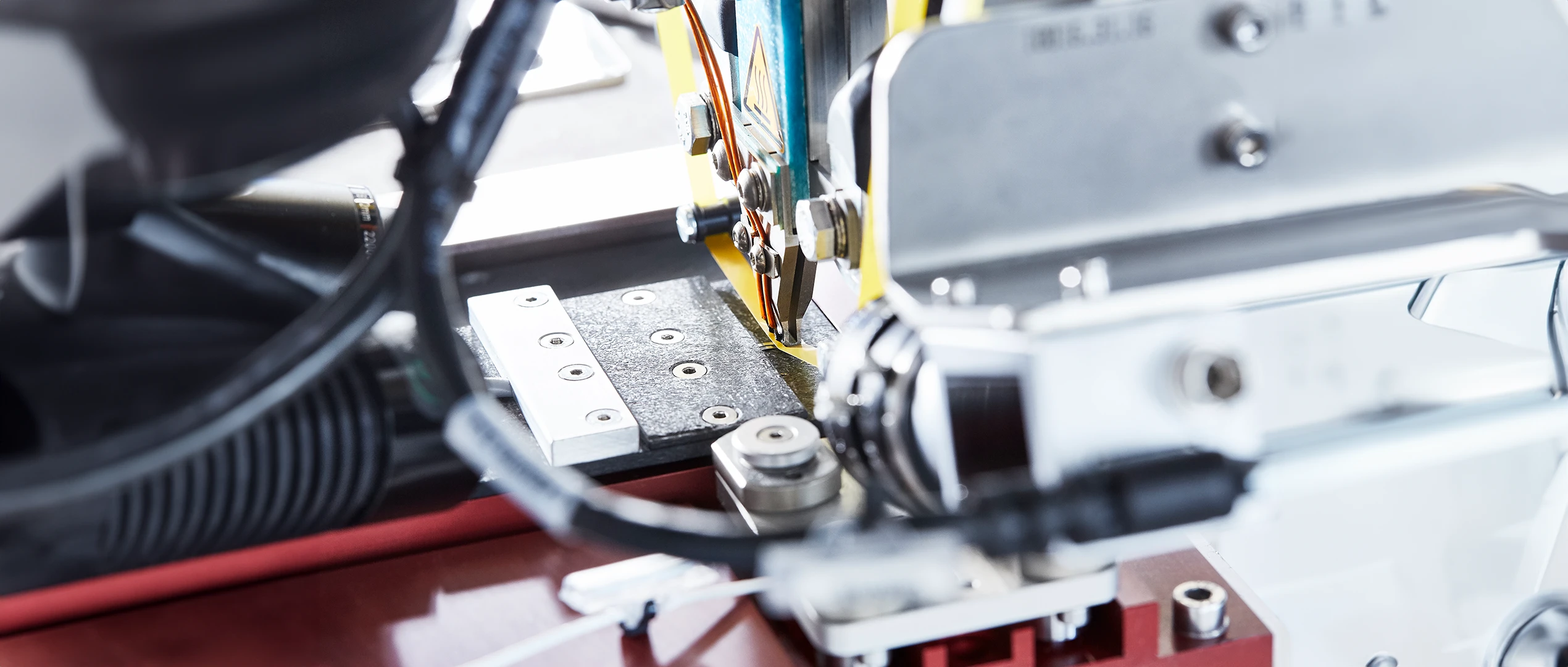
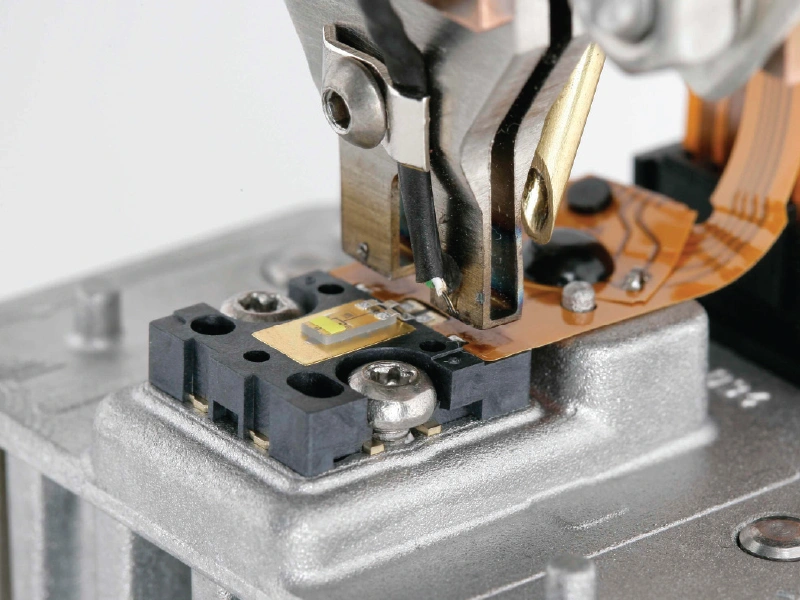
Thermode soldering / Bar soldering

Laser Knife

Laser Knife

Solution competence

What parameters are important when designing an induction coil for induction soldering in assembly and joining technology?

The development of application-specific induction coils is crucial for precise and reproducible induction soldering processes in electronics manufacturing. Factors such as frequency, coil geometry, material properties and thermal behaviour have a significant influence on the quality of the solder joint.

Areas of application and advantages of Sensitive Wire Feeder (SWF) with MicroForce­Control (MFC) for precise soldering

SWF with MFC from EUTECT enables precise wire feed and stable soldering processes for the highest quality requirements.

What solutions does EUTECT offer for clean and reliable stripping and tinning of enamelled copper wires?

Modern e-mobility components require the reliable thermal stripping and tinning of enamelled copper wires. Selective soldering systems enable lead-free processing at temperatures of up to 475 °C, oxide-free and reproducible.