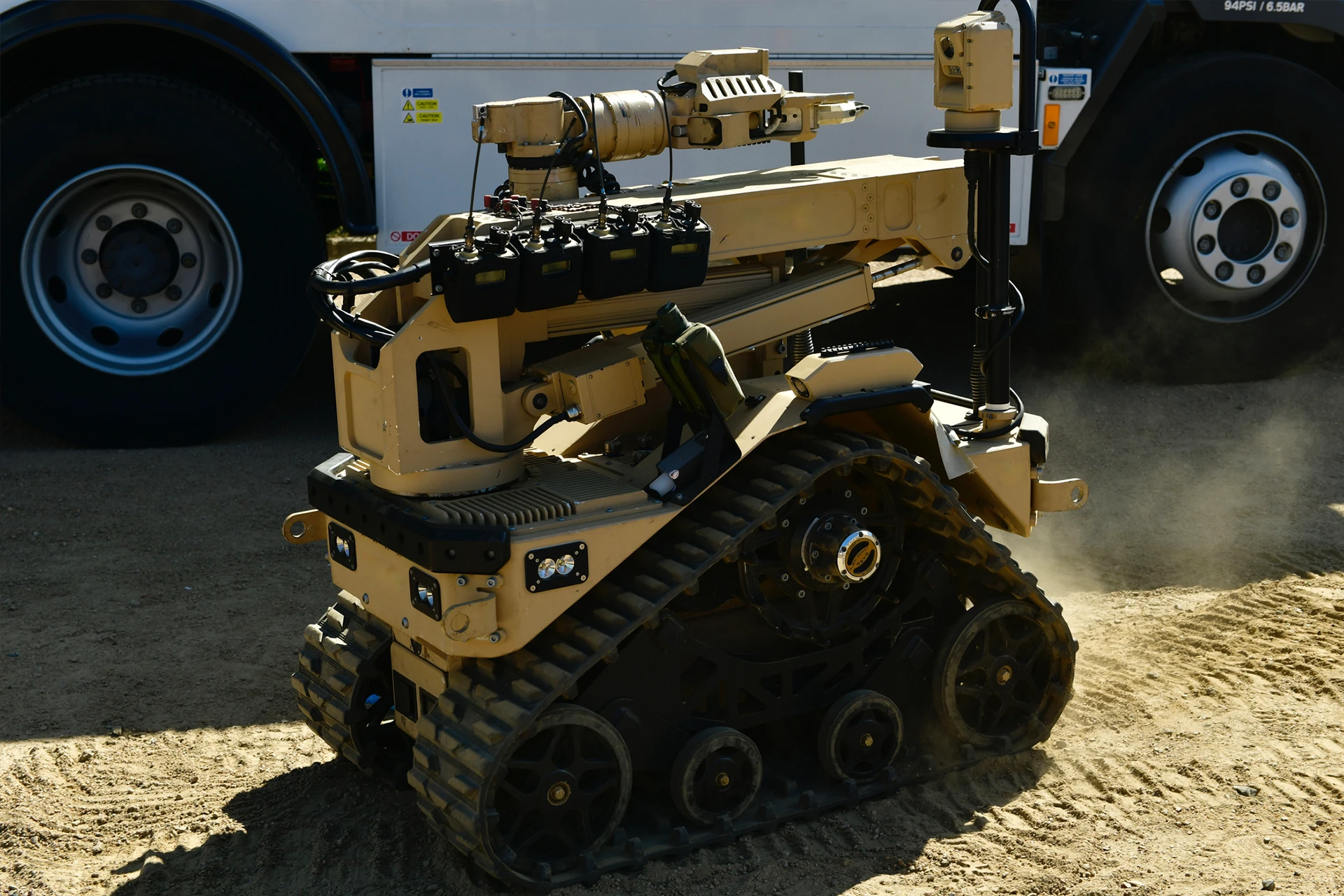
Electronic assemblies for the defence industry must function reliably for many years under extreme operating conditions. Whether in radar and communications systems, military vehicles, unmanned platforms or avionics, the quality of every single solder joint plays a decisive role in the functionality of the entire electronic system. The demands placed on the manufacturing processes used are correspondingly high. In a new technical paper EUTECT explains the role played by modern control technology and continuous process monitoring in quality assurance in selective soldering.
Quality is achieved during the soldering process
Whilst traditional quality assurance often relies on downstream inspection procedures, EUTECT adopts a process-oriented approach. Quality-relevant parameters such as temperature, heat input, solder quantity, wire feed rate and motion profiles are continuously monitored and actively controlled during the soldering process. Through the use of closed-loop control, process deviations can be detected at an early stage and relevant parameters automatically readjusted. The aim is to minimise process fluctuations and produce reproducible solder joints within defined process windows. This form of preventive quality assurance is of particular importance, especially for safety-critical electronic assemblies. This is because faults that only become apparent during subsequent use can have a significant impact on the functionality of entire systems.
Intelligent control technology for various soldering processes
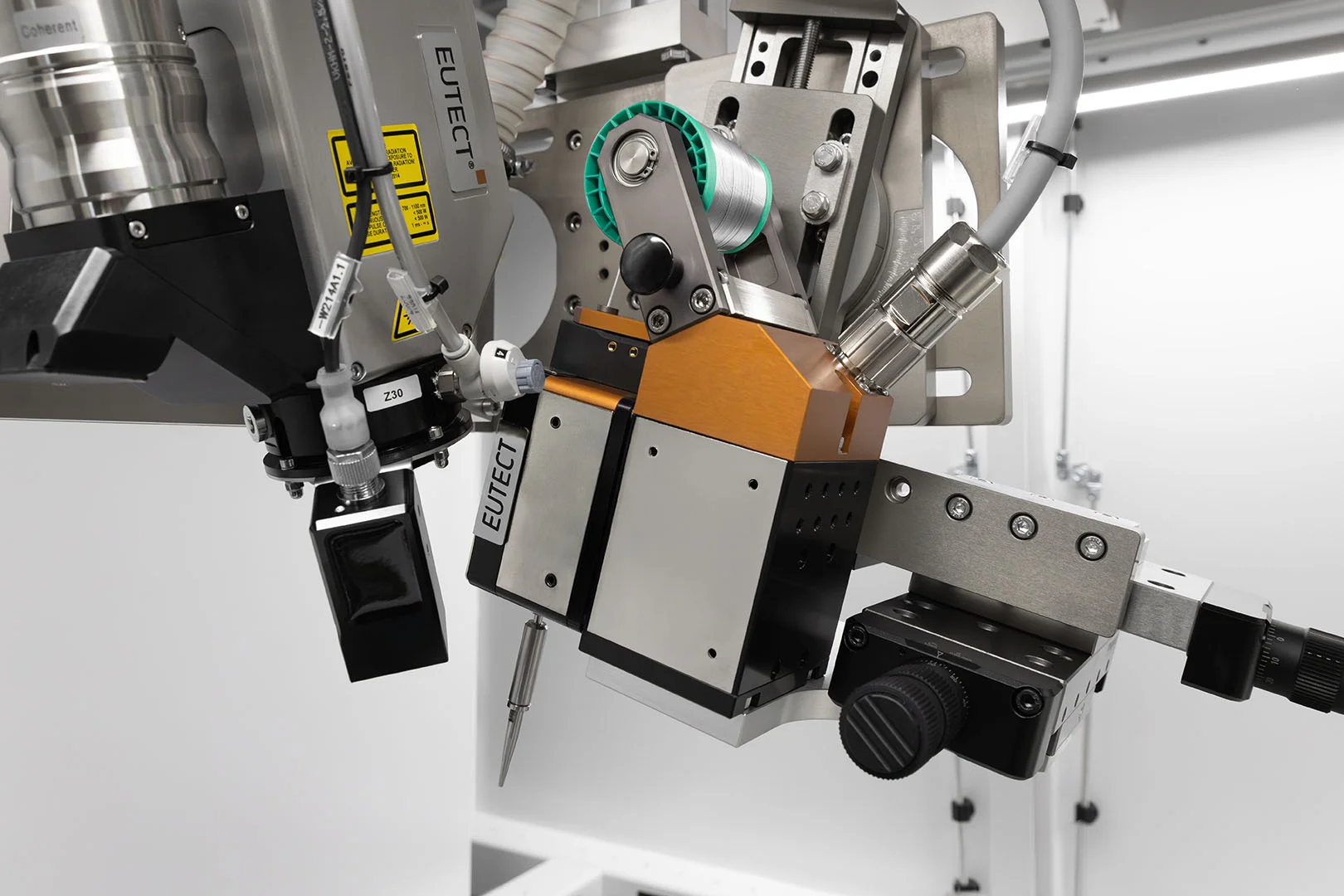
The paper describes the various quality assurance measures that EUTECT employs in its selective soldering processes. These include mini-wave soldering, laser soldering, thermode soldering, induction soldering and iron soldering. In mini-wave soldering, for example, a controlled solder wave height, redundant temperature monitoring and inductive solder pump technology ensure stable process conditions. In laser soldering, the pyrometer-controlled laser power enables precise temperature control directly at the solder joint. In addition, the patented Sensitive Wire Feeder (SWF) provides force- and displacement-controlled feeding of the solder wire. This allows the amount of solder, the wire speed and the contact parameters to be precisely controlled.
Complete traceability as the basis for quality assurance
In addition to active process control, the comprehensive documentation of manufacturing processes plays a key role. EUTECT records quality-relevant process data and enables this data to be linked to individual solder joints. This provides information for documenting quality, statistical analysis, and validation and audit processes. Data-driven quality monitoring offers further possibilities. With the camera- and software-based solution Solder Guard, process data can be analysed and deviations detected at an early stage. The solution requires no additional hardware and can also be integrated into existing systems. In this way, EUTECT combines preventive quality assurance through controlled processes with comprehensive digital process documentation.
New paper offers detailed technical insight
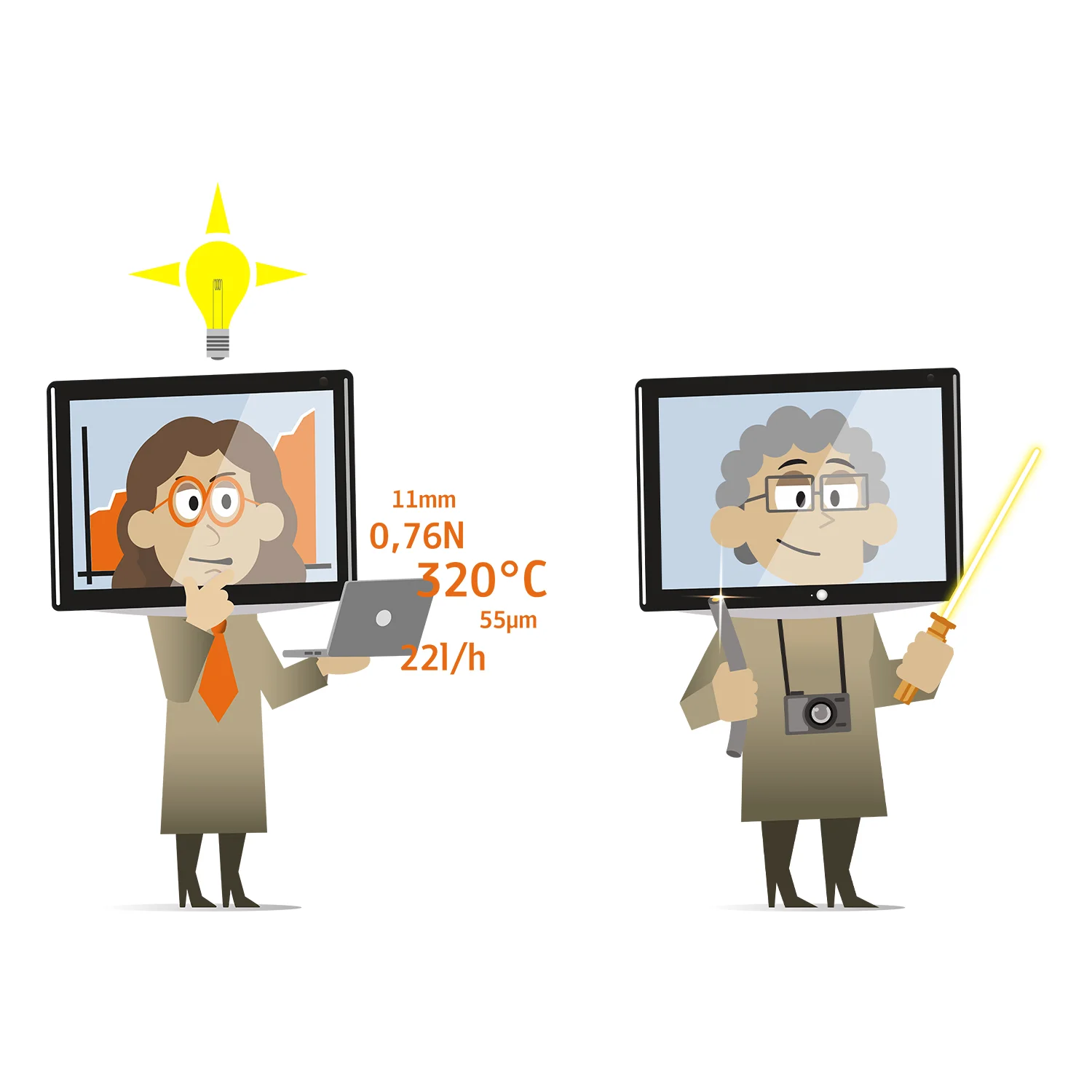
The new EUTECT paper “Quality assurance in selective soldering for defence electronics” highlights the technical principles of modern quality assurance and presents the control and monitoring technologies used, drawing on the various selective soldering processes. It is aimed in particular at development engineers, production managers and quality assurance experts involved in the manufacture of reliable electronic assemblies for demanding and safety-critical applications.
Quality assurance in selective soldering
Find out in the EUTECT paper how intelligent control technology, continuous process monitoring and full traceability help to ensure the quality of solder joints in defence electronics.
I am your point of contact.


Sales management