
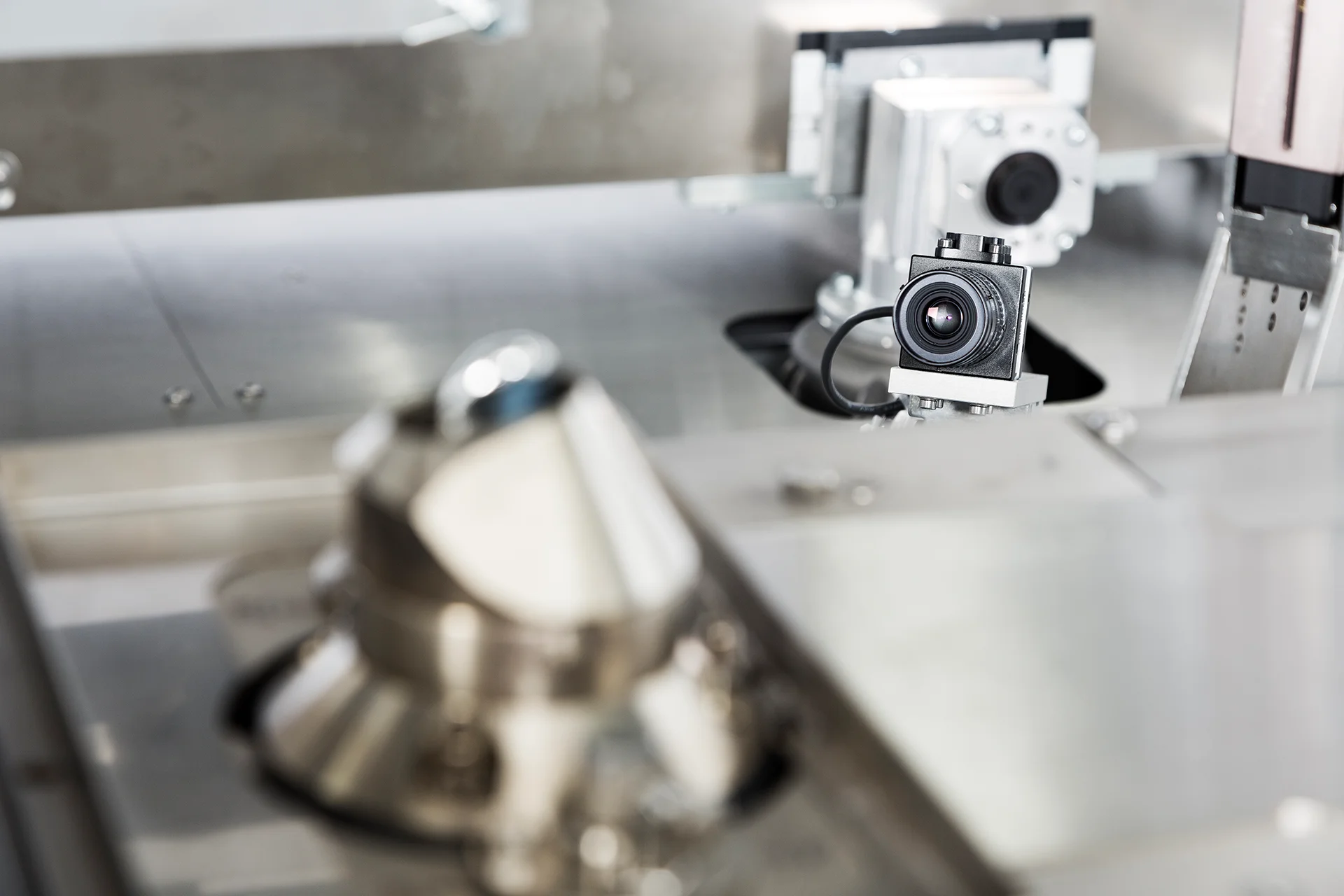
At EFX 2026 in Stuttgart, EUTECT is presenting Solder Guard to electronics manufacturers for the first time. The new solution for process-integrated quality assurance combines the process data generated by EUTECT's control technology with intelligent target/actual image processing, enabling AI-supported, automated quality assurance of selective solder joints.
By analysing process data and images in conjunction, genuine soldering defects can be detected more reliably, whilst at the same time reducing the number of incorrectly classified solder joints. In this way, EUTECT is increasingly shifting quality assurance from downstream inspection directly into the ongoing soldering process. At the heart of this approach is the concept of Predictive Quality
“Digitally analysed process steps enable continuous monitoring and evaluation of the selective soldering process. The quality of a solder joint is therefore not assessed only after production has been completed, but is ensured whilst it is being formed. At the same time, the recorded data forms the basis for complete traceability and faster root cause analysis.”
Lars Iwers, responsible for Marketing and Sales at EUTECT GmbH
EUTECT soldering systems not only execute a programmed process, but also monitor and evaluate relevant process parameters during production. This allows deviations to be detected at an early stage. The system therefore not only creates a solder joint, but also provides digital evidence that the underlying process was carried out within the defined quality limits. Depending on the soldering process used, different information is incorporated into the evaluation. In addition to conventional process parameters, data from the force- and distance-controlled wire feeding system, temperature control, camera systems and other sensors can also be taken into account. In this way, a comprehensive digital process image is created for each soldering process.
ILSE and EDA combine image and process data
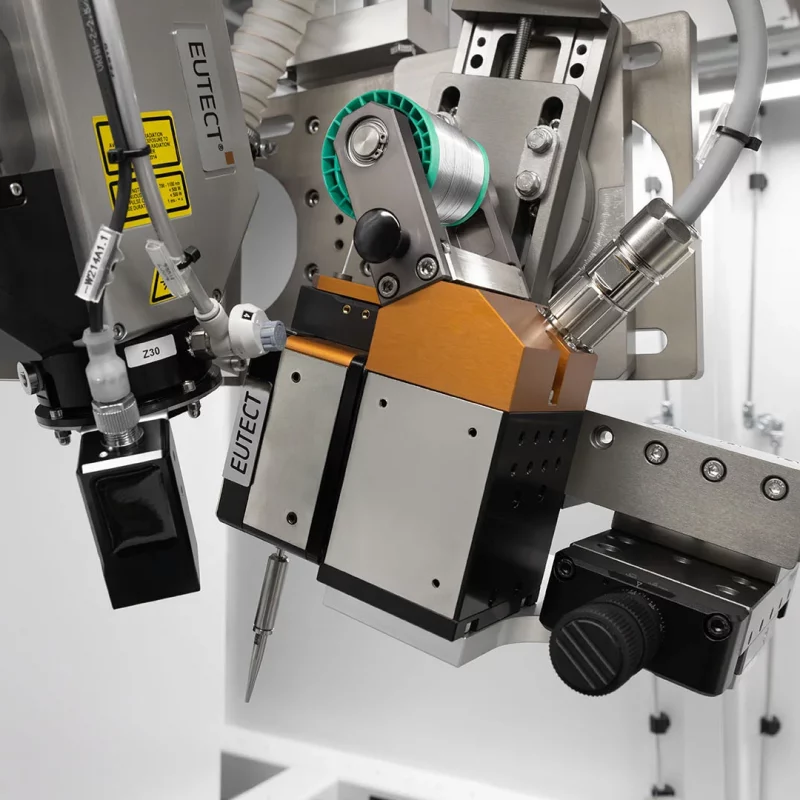
Key components of the concept are the ILSE software modules for laser soldering as well as EDA for analysing the process data. At ILSE, the camera – which is already coaxially integrated into the laser optics – is used to carry out an intelligent comparison between target and actual values. On this basis, defective solder joints can be detected. In addition to individual images, videos of the soldering process can also be recorded. The process camera thus performs the functions of an automated optical inspection system and supports both quality assurance and the optimisation of the laser soldering process.
A key advantage is that ILSE can be implemented and retrofitted into existing laser soldering processes using the cameras already in place. No additional hardware is required. At the same time, the EUTECT control system documents and stores the relevant process data. The EDA software module analyses this data and compares it with the defined specifications and the actual IO process data determined. This enables the solder joint to be assessed on the basis of the process data alone.
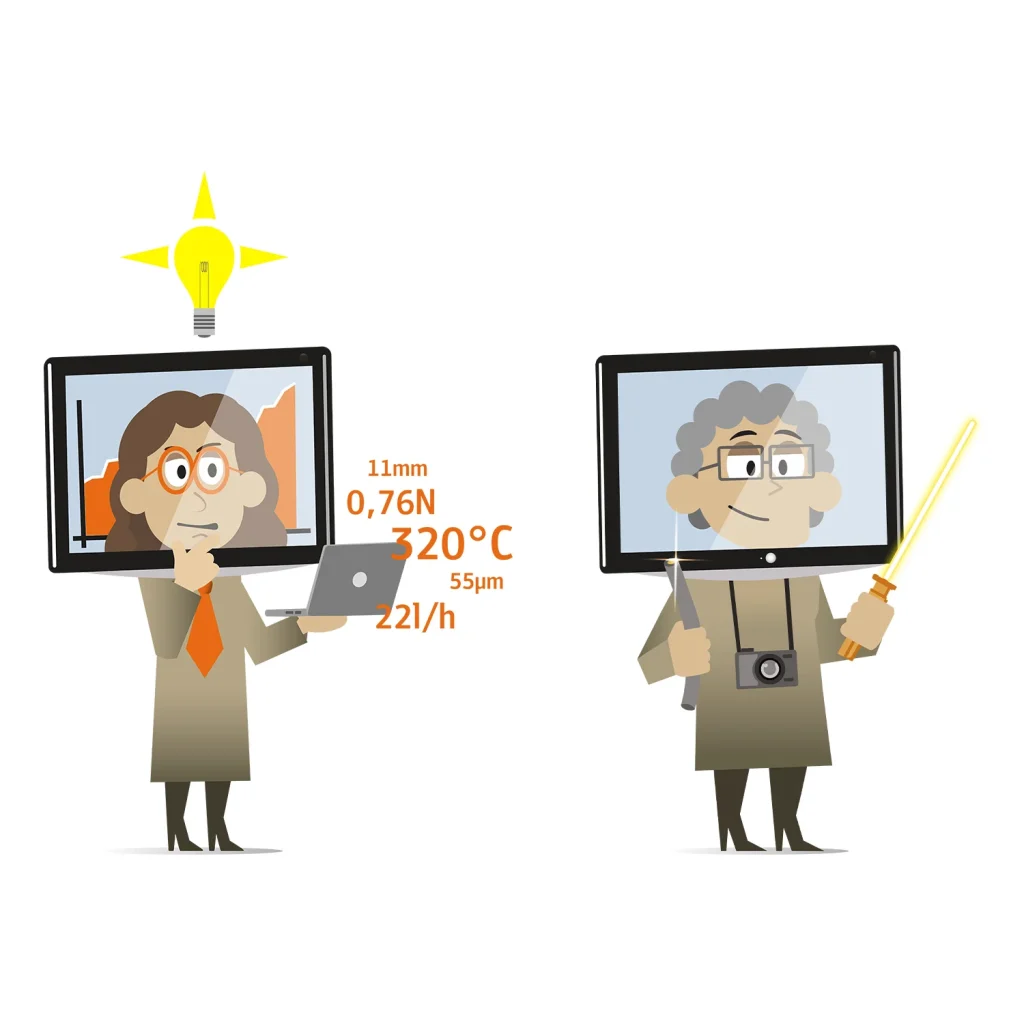
Quality assurance becomes particularly effective when both systems are combined. If, for example, ILSE detects a solder joint of questionable quality during a laser soldering process, the relevant process data can be incorporated directly into the analysis via EDA. This makes it possible not only to determine that a solder joint deviates from the specifications, but also to trace which process conditions led to this deviation. On this basis, causes can be identified more quickly and process steps can be optimised in a targeted manner.
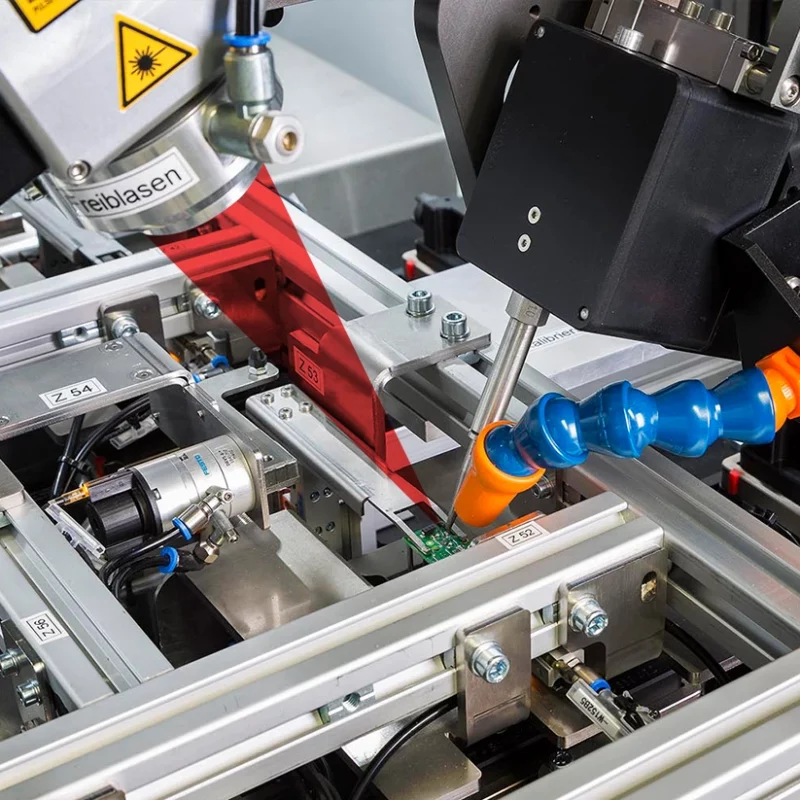
From a monitored soldering process to one that is, in the long term, self-regulating
With Solder Guard, EUTECT is consistently developing the selective soldering system into an intelligent, data-driven process system. The continuous collection and analysis of process data also paves the way for self-regulating processes in the future. Process parameters could be automatically adjusted within defined limits to further enhance process stability, reproducibility and system availability.
This approach is particularly relevant for high-reliability applications. In sectors such as medical technology, aerospace, defence, railway technology, green energy, power electronics and automation, it is often not sufficient to demonstrate the quality of the finished product alone. It must also be possible to document that the solder joint was produced under controlled and reproducible process conditions and that the associated process data is available in the long term. The EUTECT Solder Guard supports users in this regard with automated fault detection, reproducible test results, continuous process monitoring and full traceability. At the same time, it helps to reduce false faults, detect deviations earlier and improve the cost-effectiveness of the soldering process.
“As it can be retrofitted into existing systems, the concept can also be used for EUTECT systems that are already in place. At EFX 2026 in Stuttgart, our customers and trade visitors will be able to get a first-hand impression of Solder Guard and the interplay between image and process data analysis.”
Lars Iwers
EUTECT is presenting the Solder Guard platform for the first time at Stand 9A62.
I am your contact person!


Sales management